Our Commercial Fencing Service
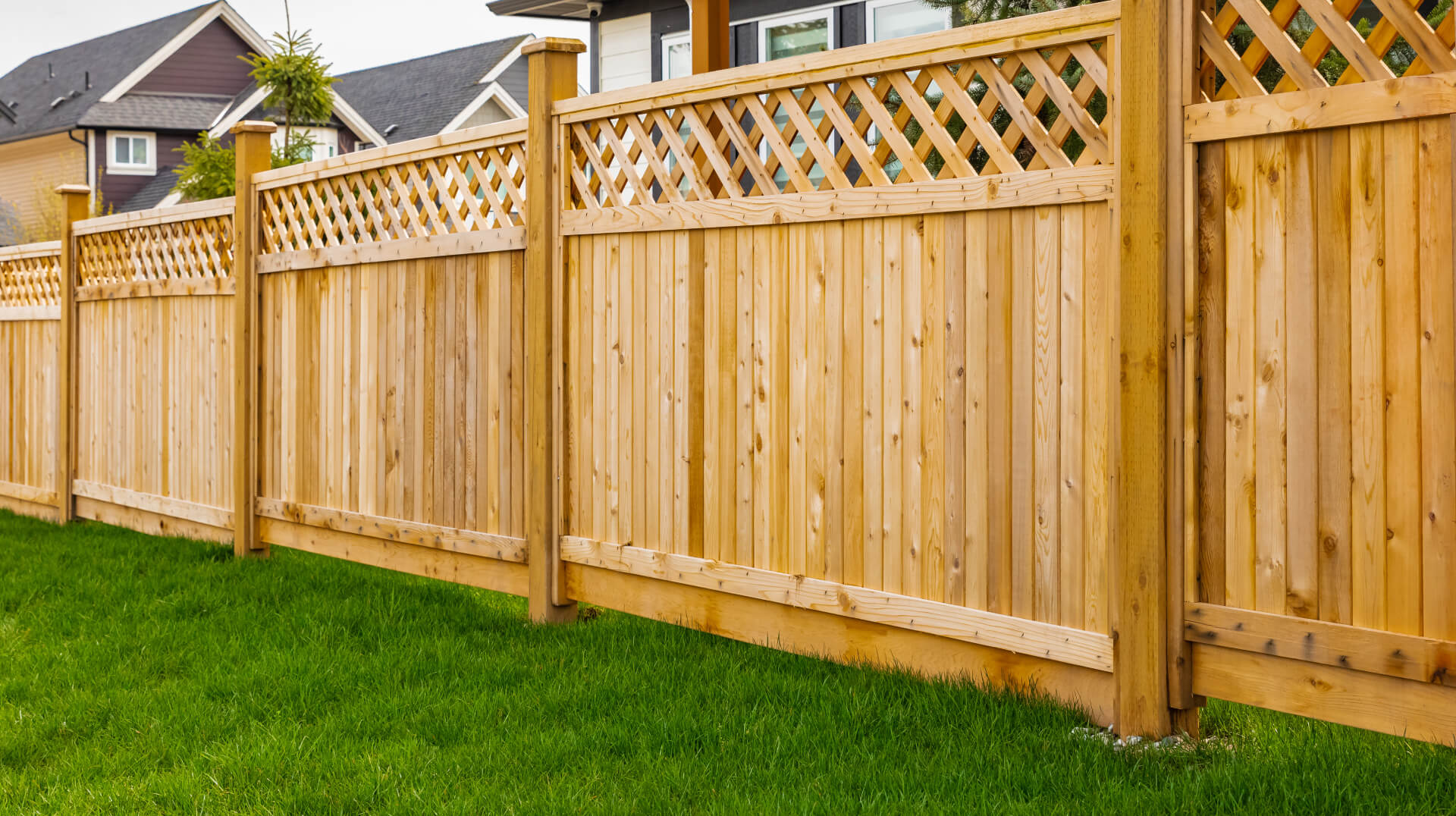
Land Structure is a commercial fencing contractor based in Milton Keynes. We supply and install timber, metal and security fencing for housing developers, local authorities, commercial and industrial clients and government sites, along with gates, screening and steel handrails.
Good fencing marks the boundary, keeps the site secure and makes a development look finished. With over 40 years of experience, we plan each installation around the site’s levels, access and security needs, and we can deliver fencing as a standalone package or as part of a wider landscaping contract.
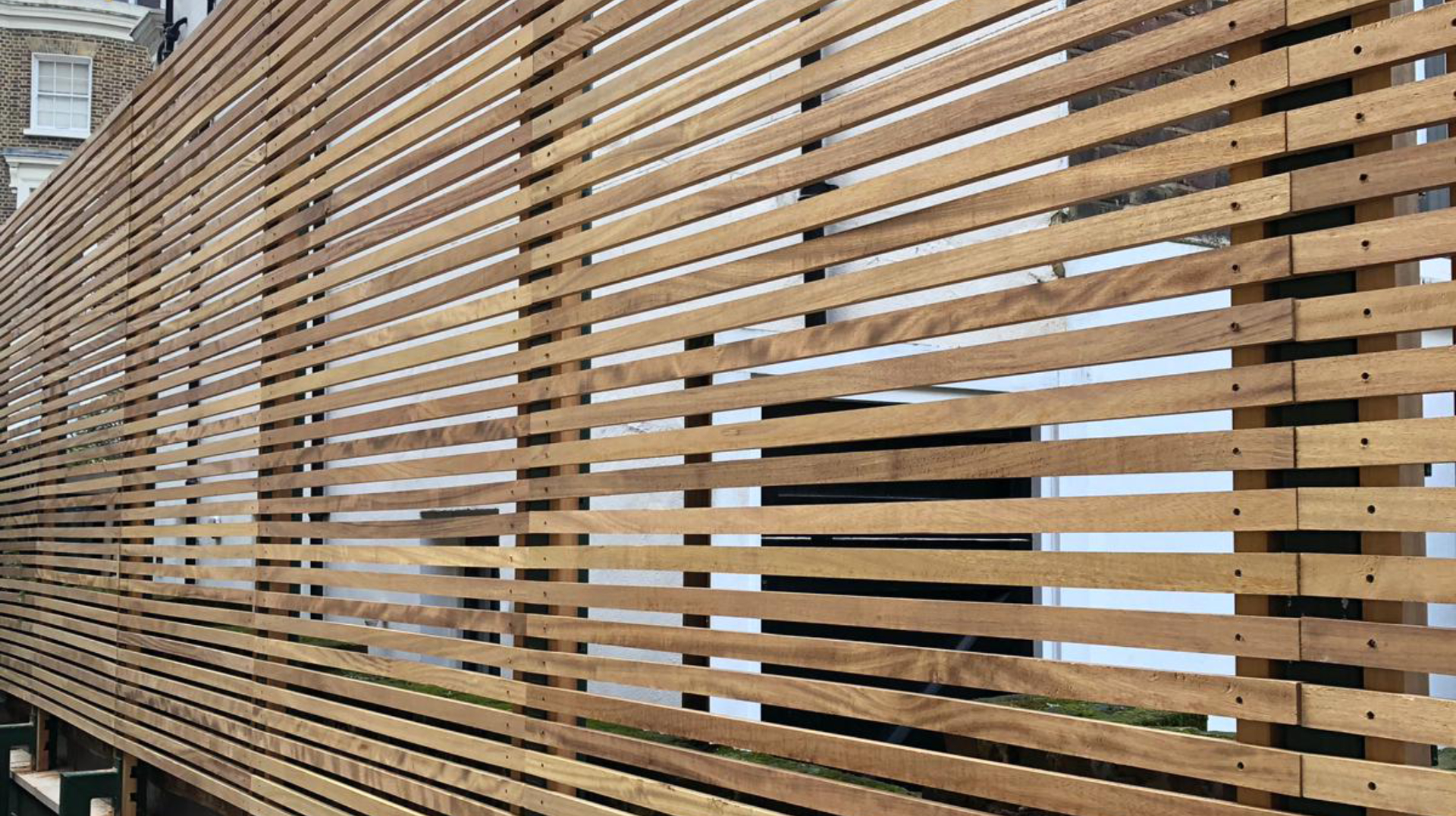
What Does Our Fencing Service Include?
Need the fence line cleared first? Our site clearance team can prepare the ground, and our external structures service covers shelters, canopies and bespoke timber features.
Which Type of Fencing Is Right for Your Site?
The right fence depends on what it needs to do. This table compares the options we install most often on commercial and housing sites.
| Fence type | Best for | What to consider |
|---|---|---|
| Close board timber | Garden and plot boundaries on housing developments | Posts in the ground should be treated to Use Class 4 |
| Post and rail or knee rail | Public open space, verges and car park edges | Marks a boundary without blocking views |
| Slatted timber screening | Commercial frontages, bin stores and plant areas | Softens a hard boundary and adds privacy |
| Metal railings | Building frontages, schools and public spaces | Strong, long lasting and formal in appearance |
| Mesh panel security fencing | Industrial sites, utilities and secure compounds | High security with clear sight lines for CCTV |
| Steel palisade | Depots, substations and storage yards | Very robust, but has a more industrial look |
| Acoustic fencing | Homes next to roads, railways or commercial plant | Must be solid and gap free to reduce noise properly |
What Should You Check Before Installing Commercial Fencing?
Height and planning. In England, permitted development rules usually allow a fence of up to 1 metre next to a highway used by vehicles, or up to 2 metres elsewhere, without a planning application. Listed buildings, conservation areas and planning conditions on new developments can change this. The Planning Portal sets out the rules.
British Standards. Commercial fencing is normally specified to the relevant part of BS 1722, the British Standard series for fences. It covers everything from close boarded and post and rail fencing to steel palisade and mesh panel systems.
Timber treatment. Posts and any timber in contact with the ground should be treated to Use Class 4 under BS 8417. Timber treated only for above ground use will fail early once it is set in soil.
Security and access. Think about who needs to get in and out, how vehicles and emergency services will reach the site, and whether the fence needs to work with CCTV or access control.
Maintenance. Consider how the fence will be looked after over time, especially along boundaries that become hard to reach once planting has grown in.
Why Choose Land Structure?
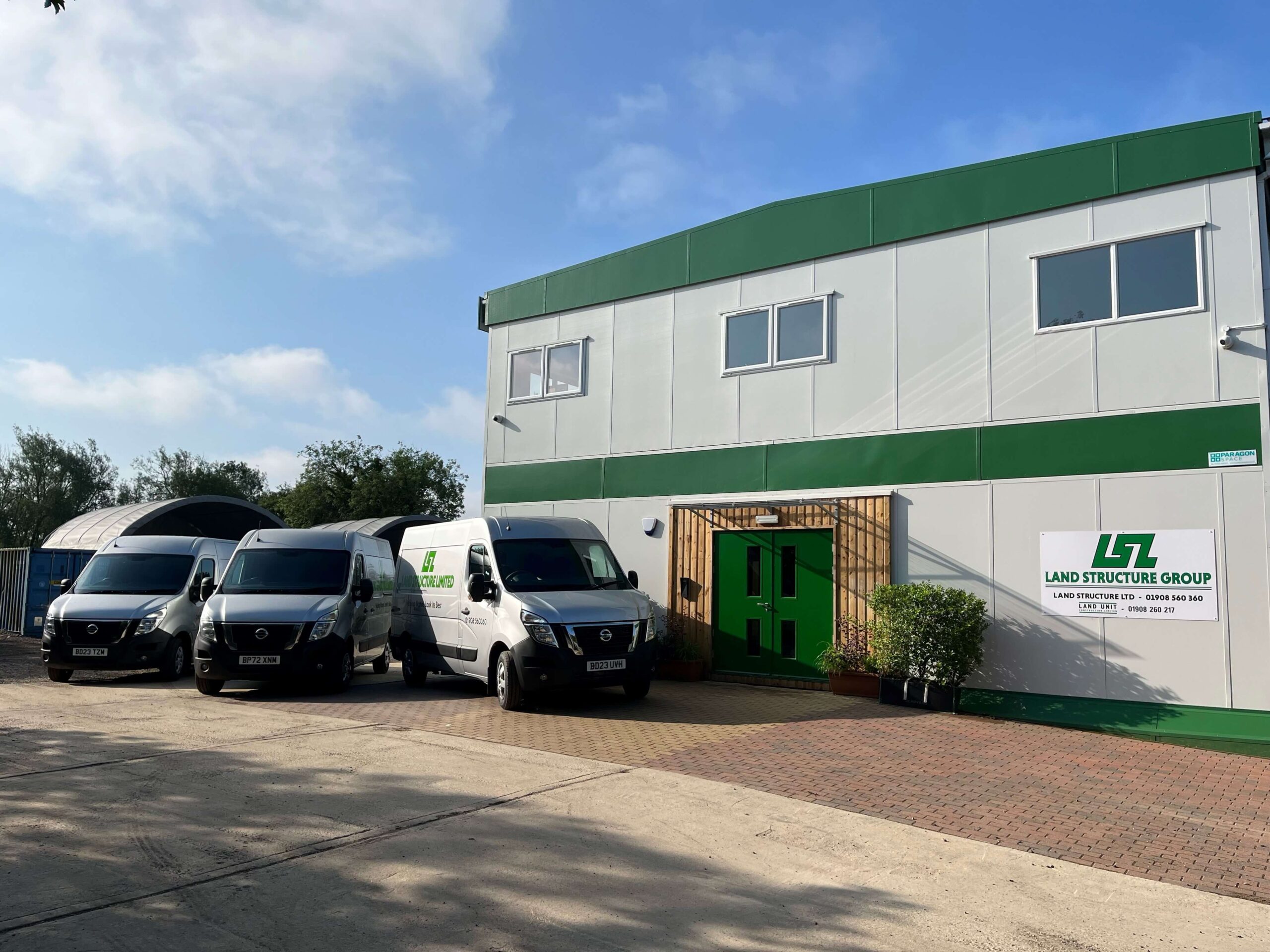
Fencing is often one of the last trades on a housing site, so it is under pressure to finish on time and to a high standard. Bovis Homes has relied on us for fencing and landscaping on its Wellingborough development for more than five years, and has called us back to put right work by lower-cost contractors that did not meet safety standards.
We are accredited with Constructionline, CHAS, SafeContractor, SMAS, CQMS and BALI. Our teams are used to the strict safety and security requirements of government and prison sites, and we measure, plan and install to suit each phase so plots are handed over safe and complete.
Case Study: Bovis Homes, Wellingborough
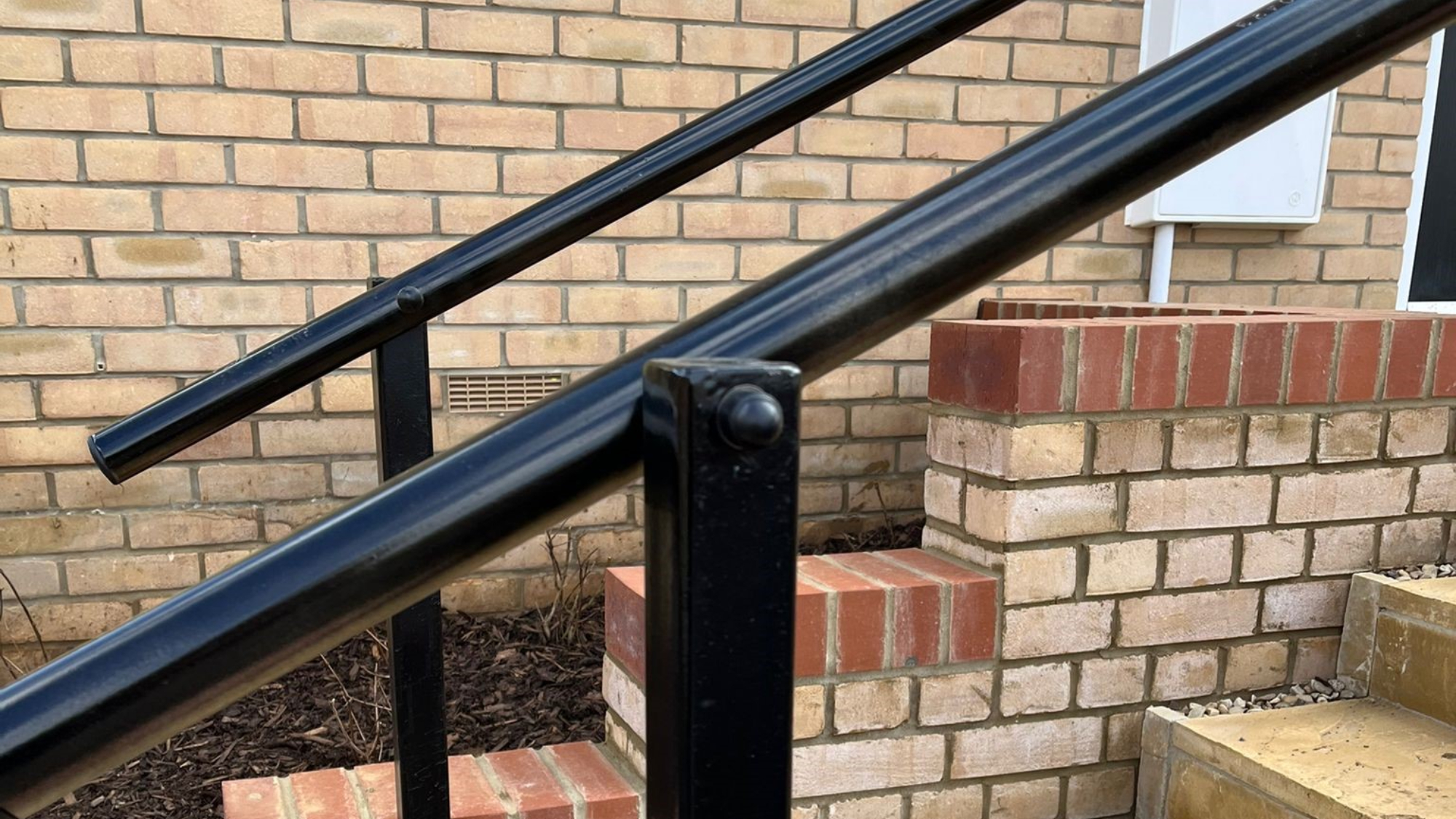
On Bovis Homes’ 10-year residential development in Wellingborough, we have provided fencing and landscaping for more than five years. Slopes and level changes across the site created fall risks at plot entrances, so we measured each plot and fabricated bespoke steel handrails, painted black to match the development.
More than 100 handrails have now been installed alongside the fencing on each phase, and Bovis Homes continues to rely on us for landscaping and safety-critical installations across the site.
Commercial Fencing FAQs
Do I need planning permission for a fence on a commercial site?
Not always. In England, permitted development rights usually allow a fence of up to 1 metre next to a highway used by vehicles, or up to 2 metres elsewhere, without planning permission. Taller fences, listed buildings and developments with planning conditions on boundary treatments may need consent, so check with your local planning authority first.
What British Standard applies to fencing?
BS 1722 is the main British Standard series for fences. It is split into parts for different fence types, including close boarded fences (Part 5), wooden post and rail fences (Part 7), steel palisade fences (Part 12) and open mesh steel panel fences (Part 14).
What is the best fencing for an industrial site?
Mesh panel or steel palisade fencing usually gives industrial sites the best balance of security and durability, with matching gates for vehicles and pedestrians. Mesh panel fencing also keeps clear sight lines for CCTV. Where the boundary faces homes or a main road, timber screening or planting can soften its appearance.
Can you install fencing in phases on a housing development?
Yes. We install fencing plot by plot or phase by phase as levels are confirmed, so each home is ready for handover. This is how we have worked with Bovis Homes in Wellingborough for more than five years.
Do you install gates and handrails as well as fencing?
Yes. We supply and install pedestrian and vehicle gates, and we fabricate bespoke steel handrails for steps and level changes. Using one contractor for fencing, gates and handrails keeps the boundary consistent and makes the programme simpler to manage.
Where do you install fencing?
Our head office is in Old Stratford, Milton Keynes, and we have a regional office in Lakenheath, Suffolk. Recent projects include sites in Northamptonshire, Oxfordshire and Bedfordshire. Get in touch to discuss your location.
Get in touch to discuss your project